Skip to content

Fort Myers Beach,through time.

6 eras · 1513–2026 · every fact sourced · compiled from the sources shown, not yet reviewed by a historian

Populationfrom 2000

—

Calusa Mounds and Fishing Ranchos

1513–1861: Calusa Mounds and Fishing Ranchos

Era 1 · 1513–1861

Calusa Mounds and Fishing Ranchos

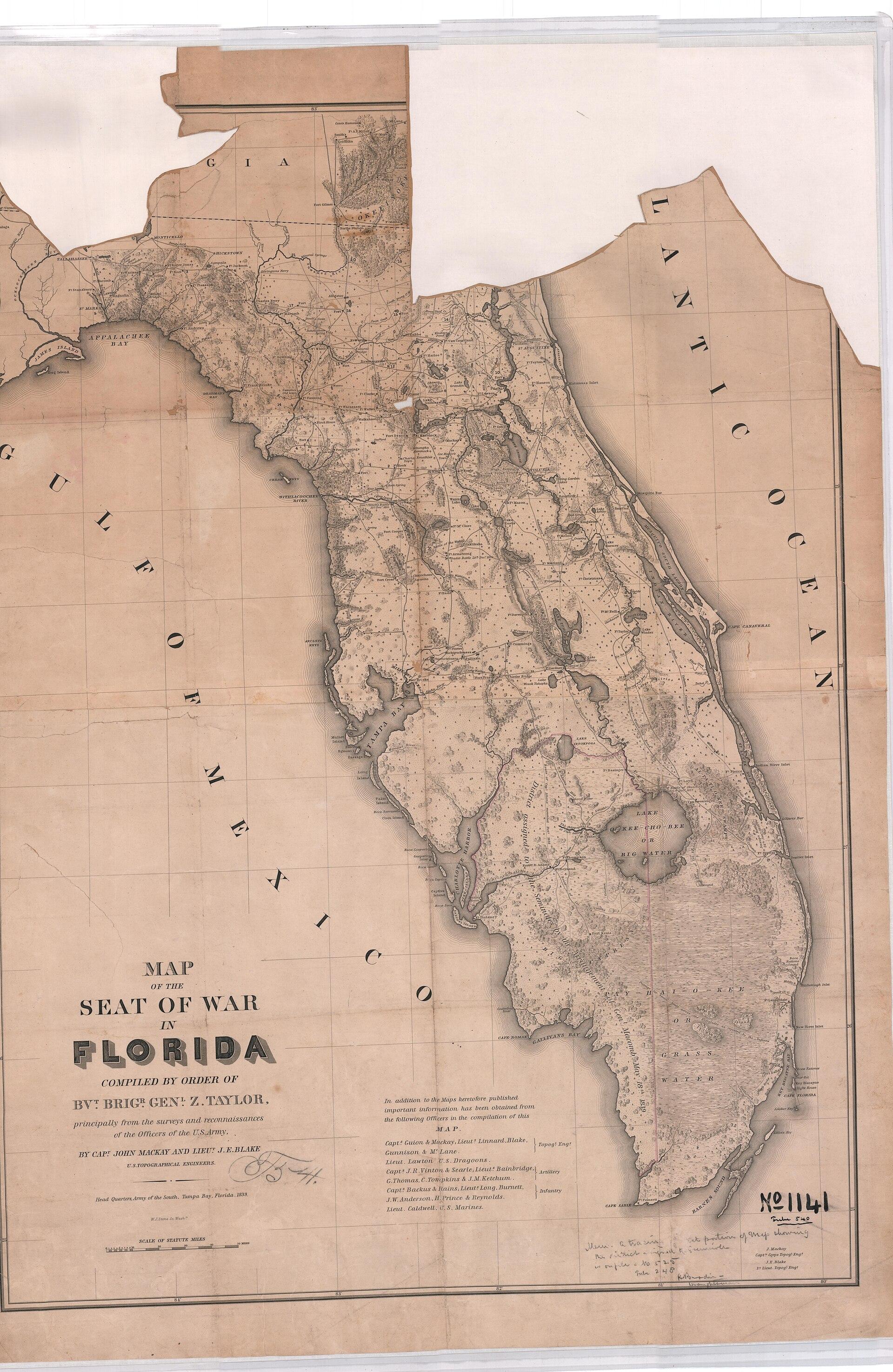
The Calusa built shell mounds on the bay side of Estero Island over 2,000 years and resisted Spanish colonization. Later, Cuban fishermen ran seasonal fishing villages called ranchos and traded with Cuba and Creek people.

Image shown for this era: U.S. Army map of the Florida peninsula compiled in 1839 during the Second Seminole War, showing forts, trails, rivers and the Gulf coast bays from Tampa Bay south past Charlotte Harbor and Estero Bay. 1839 · Compiled by Capt. John Mackay and Lt. J. E. Blake, U.S. Topographical Engineers, 1839; National Archives and Records Administration (via DPLA and Wikimedia Commons) · Public domain · Source

Sources

  1. Island History, Town of Fort Myers Beach (accessed 2026-11-09)
  2. Island History, Town of Fort Myers Beach (accessed 2026-11-09)
Correct this era: Calusa Mounds and Fishing Ranchos

Era 2 · 1862–1920

Homesteads on Estero Island

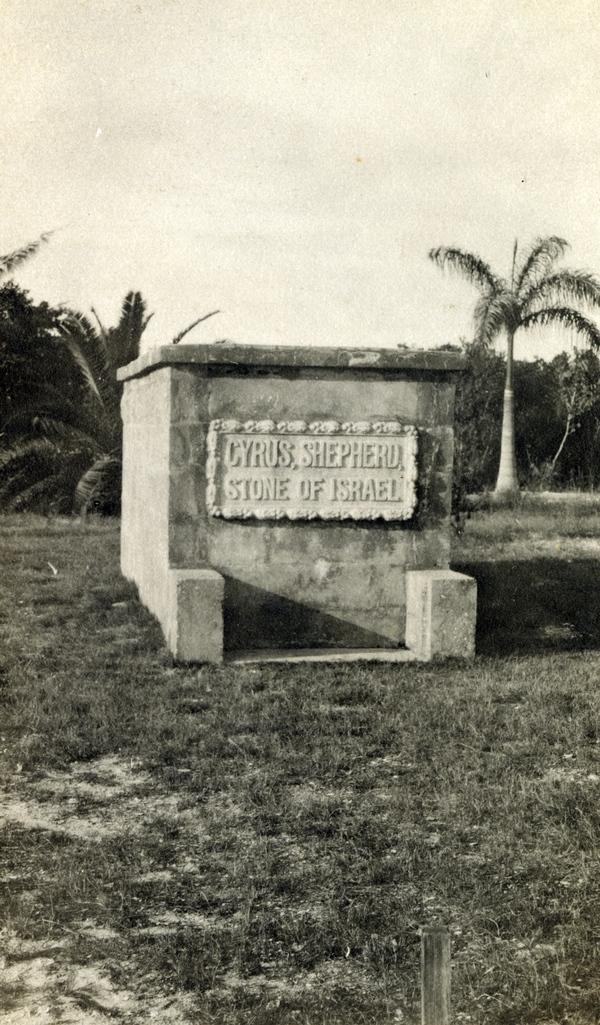
American settlement followed the Homestead Act of 1862. By 1914 the whole island was homesteaded, with little industry beyond fishing, gardening, a Koreshan Unity sawmill and a hotel, and it was reached only by boat.

Image shown for this era: Early photograph of the Koreshan Unity founder's concrete tomb on Estero Island, inscribed 'Cyrus Shepherd Stone of Israel', on a grassy lot with palms behind. 1908 · State Archives of Florida, Florida Memory (via Wikimedia Commons) · Public domain · Source

Key moments

  1. Homestead grant includes the Calusa mound

    Robert Gilbert received a homestead grant that included the Calusa shell mound at the end of Connecticut Street, the highest point on the island and today's Mound House.

    Source

    1. Island History, Town of Fort Myers Beach (accessed 2026-11-09)
  2. Case family house built atop the mound

    The Case family placed their first house on top of the Calusa Indian mound on the bay side of the island.

    Source

    1. Historically Significant Sites, Town of Fort Myers Beach (accessed 2026-11-09)
  3. First subdivision and cottage rentals

    William Case, living on the mound property, developed the island's first subdivision and its cottage rental industry.

    Source

    1. Island History, Town of Fort Myers Beach (accessed 2026-11-09)

Sources

  1. Island History, Town of Fort Myers Beach (accessed 2026-11-09)
  2. Island History, Town of Fort Myers Beach (accessed 2026-11-09)
Correct this era: Homesteads on Estero Island

Era 3 · 1921–1949

Crescent Beach: Bridge, Boom and Hurricanes

A 1921 toll bridge brought casinos, hotels, a pier and the first canal to what was then called Crescent Beach. The hurricanes of 1921 and 1926 cut the land boom short.

Image shown for this era: Sepia 1921 photograph of three men in hats standing beside a weathered wooden cottage on the sand at Fort Myers Beach after the 1921 hurricane, with storm debris piled against the wall. 1921 · State Archives of Florida, Florida Memory (via Wikimedia Commons) · Public domain · Source

Key moments

  1. First bridge to the island

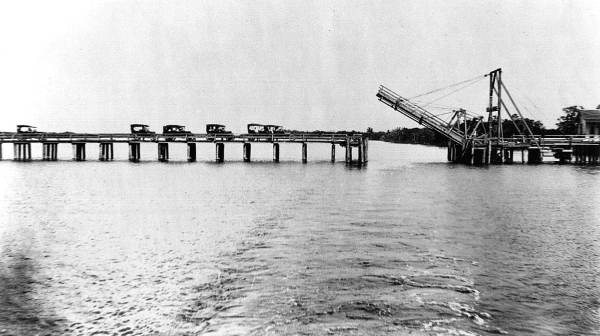
    Thomas Phillips and Jack Delysle formed the Crescent Beach Bridge and Road Company and built the first bridge; before that the island could only be reached by boat.

    Source

    1. Roads and Bridges, Estero Island Historic Society (accessed 2026-11-09)
  2. Hurricane washes out the bridge and opens Hurricane Pass

    A devastating hurricane washed away the first bridge and opened Hurricane Pass, creating San Carlos Island; a swing bridge replaced it.

    Source

    1. Roads and Bridges, Estero Island Historic Society (accessed 2026-11-09)
  3. Beach Elementary School is built

    The present Beach Elementary School was built for grades 1 to 6, the third school to serve the island's children.

    Source

    1. Historically Significant Sites, Town of Fort Myers Beach (accessed 2026-11-09)

Sources

  1. Island History, Town of Fort Myers Beach (accessed 2026-11-09)
  2. Island History, Town of Fort Myers Beach (accessed 2026-11-09)
Correct this era: Crescent Beach: Bridge, Boom and Hurricanes

Era 4 · 1950–1969

Pink Gold and Cottage Courts

The 1950s brought new hotels and a shrimping industry built on offshore "pink gold." Cottage courts and the first three-story co-op appeared, and the historic society puts the island's population at 2,464 by 1960.

Key moments

  1. St. Raphael's, the island's oldest church, is completed

    The Episcopal church was built of handmade blocks of beach sand, coquina and limestone; its Blessing of the Fleet and shrimp roll sales date to 1953.

    Source

    1. Historically Significant Sites, Town of Fort Myers Beach (accessed 2026-11-09)
  2. The Privateer, the first high-rise, opens

    The three-story Privateer opened as the island's first high-rise co-op apartment building.

    Source

    1. Cottage Courts to Condos, Estero Island Historic Society (accessed 2026-11-09)
  3. South bridge opens

    A bridge at the south end of the island opened, bringing more traffic and concerns about bike paths and pedestrian safety.

    Source

    1. Cottage Courts to Condos, Estero Island Historic Society (accessed 2026-11-09)

Sources

  1. Island History, Town of Fort Myers Beach (accessed 2026-11-09)
  2. Cottage Courts to Condos, Estero Island Historic Society (accessed 2026-11-09)
Correct this era: Pink Gold and Cottage Courts

Era 5 · 1970–2021

Condos, the Skybridge and a New Town

The first condominium opened in 1970 and high-rises followed. The Matanzas Pass skybridge was finished by 1979, and in 1995 residents voted to incorporate to preserve the island's small-town character.

Image shown for this era: Black-and-white photograph of two stone arches spanning the road at the entrance to Fort Myers Beach, framed by tall palms, with cars passing beneath. 1977 · State Archives of Florida, Florida Memory (via Wikimedia Commons) · Public domain · Source

Key moments

  1. Matanzas Pass skybridge is completed

    The high-level Matanzas Pass bridge replaced the old swing bridge, which had been removed the year before.

    Source

    1. Roads and Bridges, Estero Island Historic Society (accessed 2026-11-09)
  2. Town of Fort Myers Beach is incorporated

    After residents passed a 1995 referendum to incorporate Estero Island, prompted by Lee County's approval of high-rise development, and the state enacted the legislation, the Town of Fort Myers Beach was born on December 31, 1995.

    Source

    1. Island History, Town of Fort Myers Beach (accessed 2026-11-09)
  3. Town buys the Mound House

    The town bought the Case family property on the Calusa mound to serve as a cultural and environmental center on Estero Bay.

    Source

    1. Historically Significant Sites, Town of Fort Myers Beach (accessed 2026-11-09)
1 more from this era
  1. Hurricane Charley's surge hits Estero Island

    During Hurricane Charley, observers estimated storm surges of 6 to 7 feet on Estero and Sanibel islands.

    Source

    1. Tropical Cyclone Report: Hurricane Charley, NOAA National Hurricane Center (accessed 2026-11-09)

Sources

  1. Cottage Courts to Condos, Estero Island Historic Society (accessed 2026-11-09)
  2. Island History, Town of Fort Myers Beach (accessed 2026-11-09)
Correct this era: Condos, the Skybridge and a New Town

Era 6 · 2022–2026

Hurricane Ian and the Build-Back

Hurricane Ian's surge in 2022 destroyed an estimated 900 structures in Fort Myers Beach and damaged 2,200 more. Rebuilding continues, including a longer, wider replacement for the destroyed pier.

Key moments

  1. Hurricane Ian submerges the island

    Hurricane Ian made landfall as a Category 4 storm; with a surge of up to 15 feet, the island was submerged and nearly every building was damaged.

    Source

    1. Island History, Town of Fort Myers Beach (accessed 2026-11-09)
  2. Pier replacement under construction

    Lee County crews began rebuilding the Fort Myers Beach pier destroyed by Hurricane Ian.

    Source

    1. Fort Myers Beach Pier Replacement Project Update, Fort Myers Beach Chamber of Commerce (accessed 2026-11-09)

Sources

  1. Tropical Cyclone Report: Hurricane Ian, NOAA National Hurricane Center (accessed 2026-11-09)
  2. Lee County to break ground on Fort Myers Beach pier on Friday, Fort Myers Beach Observer (fortmyersbeachtalk.com) (accessed 2026-11-09)
Correct this era: Hurricane Ian and the Build-Back

Then & Now

Fort Myers Beach, 1995 to 2026

Town of Fort Myers Beach is incorporated · drag to compare

Black-and-white photograph of the original wooden bridge to Fort Myers Beach, with early automobiles lined up on the low trestle and its lift span raised at right
Wide panorama of Fort Myers Beach at low tide, with smooth wet sand and tide pools in front of a row of beachfront condominium towers lit by the setting sun
19952026

Then image1920 · State Archives of Florida, Florida Memory (via Wikimedia Commons) · Public domain · Source

Now image2016 · Fredlyfish4, CC BY-SA 4.0, via Wikimedia Commons · CC BY-SA · Source

Help us get it right

History is never finished.

This timeline is compiled from the public records cited on each era and event. Every quote is checked against its source automatically, and items marked Reviewed have also been checked by a person. Images are public domain or openly licensed, each with its credit. If you know something we’ve missed or got wrong, or you hold records of your own, we’d like to hear from you.

See what’s happening in Fort Myers Beach today →