Skip to content

Venice,through time.

6 eras · 1882–2026 · every fact sourced · compiled from the sources shown, not yet reviewed by a historian

Populationfrom 1990

—

Citrus, Fishing and Farming

1882–1924: Citrus, Fishing and Farming

Era 1 · 1882–1924

Citrus, Fishing and Farming

Frank Higel's citrus operation drew settlers to the area in the 1880s, and a sawmill and the railroad followed. The community still remained a small fishing and farming center through 1924.

Key moments

  1. Frank Higel starts a citrus business

    Frank Higel bought land and set up a citrus operation that canned jams, pickled orange peel, lemon juice and orange wine, which helped draw settlers to the area.

  2. The railroad reaches Venice

    The extension of railroad service in 1911, after a sawmill opened in 1905, firmly established the growing community.

Correct this era: Citrus, Fishing and Farming

Era 2 · 1925–1929

The Brotherhood's Planned City

In the 1925 land boom the Brotherhood of Locomotive Engineers bought land south of Sarasota and hired planner John Nolen to lay out Venice, the most comprehensive of the three Florida towns he planned. Sales lagged, losses mounted, and by April 1929 the development was all but closed.

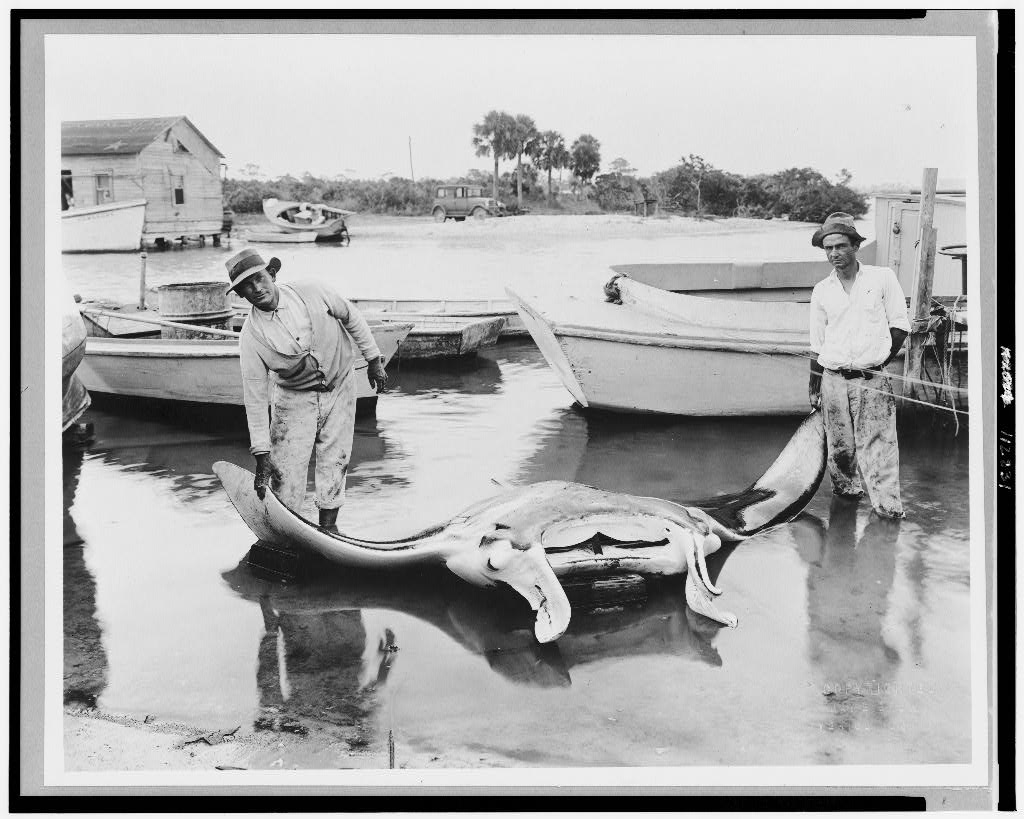
Image shown for this era: Two fishermen stand in shallow water beside a huge manta ray (devilfish) laid out in front of moored skiffs, with a fish house, a parked car and palms on the far shore. 1928 · Jay E. Brown, Venice, Florida. Library of Congress Prints and Photographs Division · Public domain · Source

Key moments

  1. Locomotive engineers' union buys the land

    Looking to recoup banking losses in the Florida land boom, the Brotherhood of Locomotive Engineers negotiated with Dr. Fred Albee and other landholders to buy a large tract south of Sarasota with miles of Gulf frontage.

  2. Hotel Venice built

    The 100-room Hotel Venice on Nassau Street was the first building the Brotherhood constructed. It later housed the Kentucky Military Institute and is listed on the National Register of Historic Places.

    Source

    1. Venice Walking Tour Offers a Peek into the City's History, Sarasota Magazine (accessed 2026-11-09)
  3. First street opens

    Nassau Street, the first street in Venice, opened on June 10, 1926.

4 more from this era
  1. Venice holds its first town council meeting

    In December 1926 the new town of Venice, built by the Brotherhood of Locomotive Engineers, held its first town council meeting and formed its police and fire departments. Gov. John Martin appointed Edward L. Worthington as the first mayor.

    Source

    1. Venice History (from venicegov.com), History & Preservation Coalition of Sarasota County (accessed 2026-11-09)
  2. Train depot built

    The Brotherhood built the Seaboard Air Line Railway station on East Venice Avenue in 1927. It is now the southern end of the Legacy Trail.

    Source

    1. Venice Walking Tour Offers a Peek into the City's History, Sarasota Magazine (accessed 2026-11-09)
  3. Venice becomes a city

    The state legislature changed Venice's designation from town to city by amending its enabling legislation and charter.

    Source

    1. Venice History (from venicegov.com), History & Preservation Coalition of Sarasota County (accessed 2026-11-09)
  4. Union development all but closes

    After heavy losses as the land boom faded, a report in April 1929 said the Brotherhood's development was all but closed and no more improvements would be made.

Correct this era: The Brotherhood's Planned City

Era 3 · 1930–1941

Depression, Cadets and a Medical Center

The early 1930s were bleak: city employees went unpaid and street lights were turned off. The Kentucky Military Institute's winter school and Dr. Fred Albee's Florida Medical Center helped the town pull itself up.

Key moments

  1. Kentucky Military Institute arrives

    The Kentucky Military Institute of Lyndon, Kentucky, began using the Hotel Venice and Hotel San Marco as a winter school for its cadets.

    Source

    1. Venice History (from venicegov.com), History & Preservation Coalition of Sarasota County (accessed 2026-11-09)
  2. Florida Medical Center opens

    The year after the cadets arrived, Dr. Fred Albee bought the Park View Hotel and established the Florida Medical Center, which grew into a teaching hospital.

Correct this era: Depression, Cadets and a Medical Center

Era 4 · 1942–1959

Air Base and Postwar Boom

In 1942 the federal government acquired land south of town for what became Venice Army Air Field, which helped lift the town out of its slump. After the war the base became the municipal airport, and developments in the 1950s brought a new boom.

Image shown for this era: Green-and-white 1944 topographic map of the Venice coast showing the town grid of Venice, the municipal airport, the large X-shaped runways of the Venice Army Air Base south of town, Roberts Bay, Nokomis and the Gulf of Mexico. 1944 · U.S. Geological Survey (mapped by the Army Map Service), via Wikimedia Commons · Public domain · Source

Key moments

  1. Army takes land for an air base

    The federal government acquired vacant land south of Venice in May 1942 and moved the 27th Service Group there from MacDill Field. The base grew to about 4,000 people and became a training field for fighter pilots and ground crews.

  2. Ringling circus picks Venice

    After selling its Sarasota winter quarters, the Ringling circus announced it would move to Venice, on a site fronting US 41 leased from the city.

    Source

    1. Winter Quarters: Ringling Brothers Circus' Move to Venice (Herald-Tribune, May 12, 2003), Ringling Docents (reprint of an article by Mark D. Smith, archivist) (accessed 2026-11-09)

Sources

  1. Venice Multiple Property Group, National Register of Historic Places Multiple Property Documentation Form, National Park Service (accessed 2026-11-09)
  2. Venice Army Airfield, Museum of Florida History (accessed 2026-11-09)
Correct this era: Air Base and Postwar Boom

Era 5 · 1960–2009

Circus City and a Growing Retirement Town

The Ringling Bros. and Barnum & Bailey Circus moved its winter home from Sarasota to Venice in 1960. The Kentucky Military Institute closed in 1971, and the population kept climbing through the 1990s and 2000s.

Image shown for this era: 1973 USGS topographic map of Venice and its surroundings, with the city's street grid, the airport on the former air base, the Intracoastal Waterway and the Gulf shore. 1973 · U.S. Geological Survey, via Wikimedia Commons · Public domain · Source

Key moments

  1. Military school closes

    After nearly 40 winters of cadets in Venice, the Kentucky Military Institute closed in 1971.

    Source

    1. Venice History (from venicegov.com), History & Preservation Coalition of Sarasota County (accessed 2026-11-09)

Sources

  1. Winter Quarters: Ringling Brothers Circus' Move to Venice (Herald-Tribune, May 12, 2003), Ringling Docents (reprint of an article by Mark D. Smith, archivist) (accessed 2026-11-09)
  2. Venice History (from venicegov.com), History & Preservation Coalition of Sarasota County (accessed 2026-11-09)
Correct this era: Circus City and a Growing Retirement Town

Era 6 · 2010–2026

A Historic Plan in a New Century

John Nolen's plan of boulevards, neighborhoods and pocket parks survives and was listed on the National Register of Historic Places in 2010. In 2024 Hurricane Milton brought hurricane conditions and storm surge to the Venice coast.

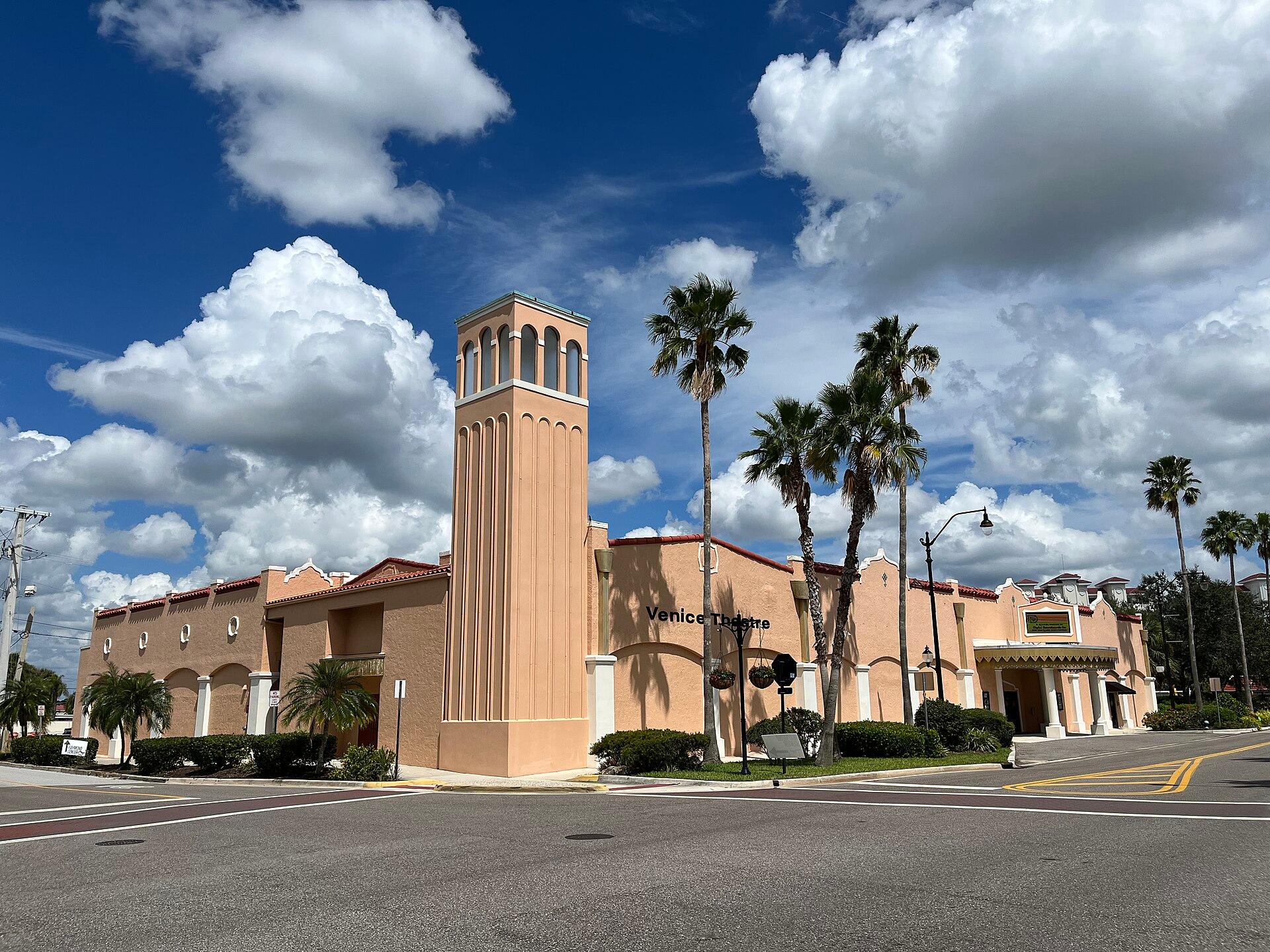
Image shown for this era: Venice Theatre in downtown Venice on a bright day: a peach Mediterranean Revival building with a tall arched bell tower, tile-trimmed parapets and palms at a street corner under puffy white clouds. 2023 · LittleT889, CC BY-SA 4.0, via Wikimedia Commons · CC BY-SA · Source

Key moments

  1. Nolen plan on the National Register

    John Nolen's plan of palm-lined boulevards and neighborhoods with pocket parks, still in place, was listed on the National Register of Historic Places.

    Source

    1. Venice Walking Tour Offers a Peek into the City's History, Sarasota Magazine (accessed 2026-11-09)
  2. Hurricane Milton

    Hurricane Milton's storm surge reached the Venice coast; a U.S. Geological Survey sensor near the Venice Fishing Pier measured a storm tide of 6.74 feet above mean higher high water.

    Source

    1. National Hurricane Center Tropical Cyclone Report: Hurricane Milton, NOAA National Hurricane Center (accessed 2026-11-09)

Sources

  1. Venice Walking Tour Offers a Peek into the City's History, Sarasota Magazine (accessed 2026-11-09)
  2. National Hurricane Center Tropical Cyclone Report: Hurricane Milton, NOAA National Hurricane Center (accessed 2026-11-09)
Correct this era: A Historic Plan in a New Century

Then & Now

Venice, 1926 to 2026

Venice holds its first town council meeting · drag to compare

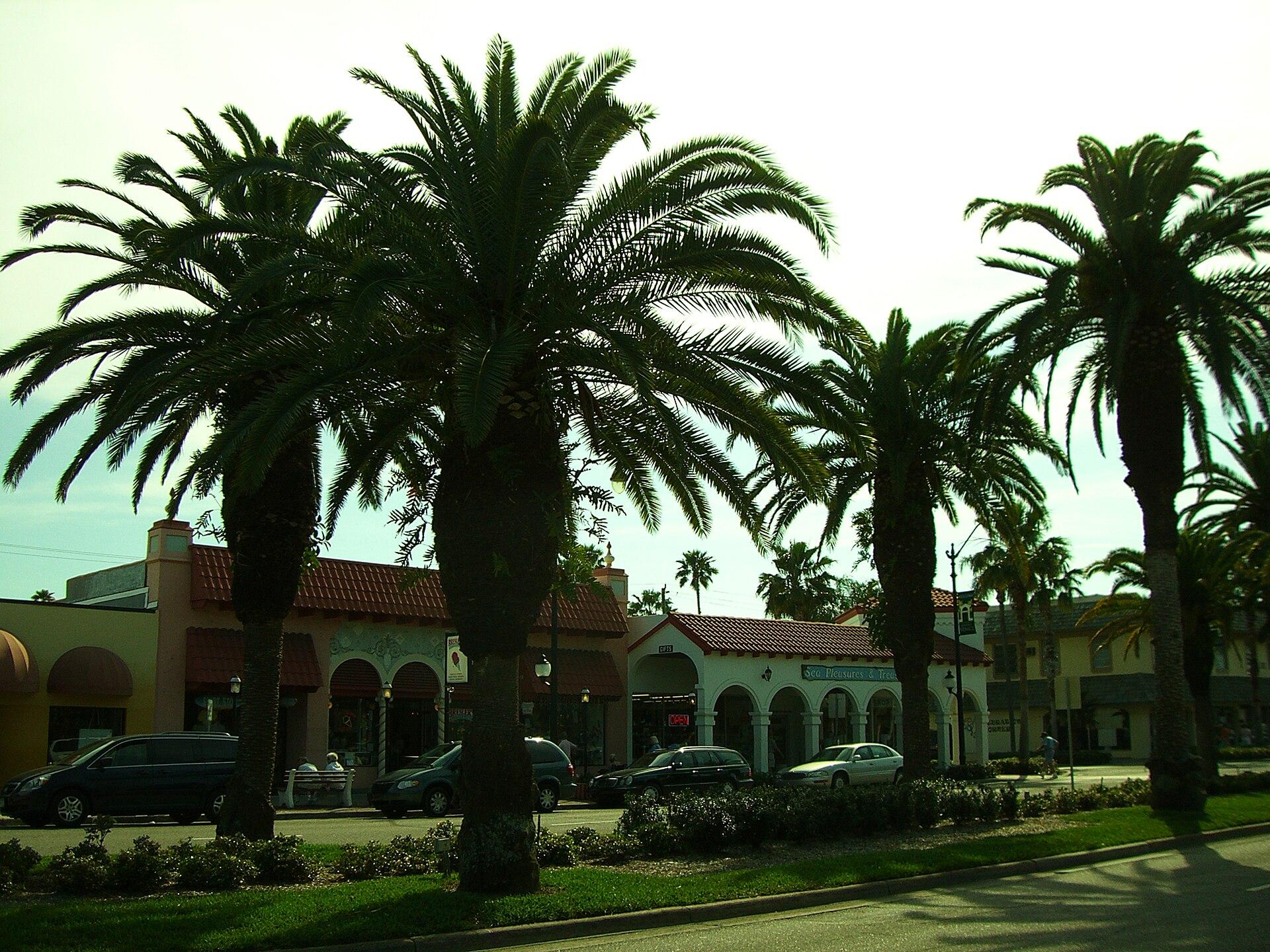
Downtown Venice: a row of Mediterranean Revival shops with red tile roofs, arched arcades and awnings behind a palm-planted median on Venice Avenue, with parked cars
Venice Theatre in downtown Venice on a bright day: a peach Mediterranean Revival building with a tall arched bell tower, tile-trimmed parapets and palms at a street corner under puffy white clouds
19262026

Then image2006 · Arthur Rozumek, CC BY 2.5, via Wikimedia Commons · CC BY · Source

Now image2023 · LittleT889, CC BY-SA 4.0, via Wikimedia Commons · CC BY-SA · Source

Help us get it right

History is never finished.

This timeline is compiled from the public records cited on each era and event. Every quote is checked against its source automatically, and items marked Reviewed have also been checked by a person. Images are public domain or openly licensed, each with its credit. If you know something we’ve missed or got wrong, or you hold records of your own, we’d like to hear from you.

See what’s happening in Venice today →